
As summer vacation begins, many grandparents look forward to spending extra time with their grandchildren. Whether providing occasional childcare, helping a few days each week, or caring for grandchildren full-time while parents work, grandparents play a valuable role in supporting families during the long summer break.
For older adults living independently, summer caregiving can be one of the most rewarding parts of family life. It offers opportunities to create lifelong memories, strengthen family relationships, and stay active and engaged. However, caring for children also comes with physical, emotional, and financial responsibilities.
Understanding both the benefits and challenges of grandparent childcare can help seniors enjoy a fulfilling summer while maintaining their own health, independence, and well-being.
Summer is filled with opportunities for meaningful experiences. From trips to the park and backyard adventures to baking family recipes and exploring local attractions, these shared moments often become treasured memories.
While children may outgrow toys and gadgets, they often remember the quality time spent with grandparents for years to come. These experiences help build strong emotional connections that can last a lifetime.
Spending regular time together allows grandparents and grandchildren to develop deeper relationships. Everyday activities such as reading stories, playing cards, gardening, or sharing meals create opportunities for conversation and connection.
Strong grandparent-grandchild relationships provide children with a sense of belonging, family history, emotional security, and intergenerational support.
Children naturally encourage movement, curiosity, and engagement. Activities like walking, playing outdoors, visiting community events, and participating in crafts can help grandparents stay active both physically and mentally.
Research suggests that meaningful social engagement and caregiving responsibilities may contribute to the reduced risk of Alzheimer's, improved cognitive health, reduced social isolation, and greater overall life satisfaction among older adults. Regular interaction with younger generations can also help combat feelings of loneliness and depression.
Grandparents are often the keepers of family stories, traditions, and wisdom. Summer provides an ideal opportunity to pass down cultural heritage, family recipes, gardening techniques, life lessons, and cherished traditions.
These experiences help children develop a stronger sense of identity while preserving family history for future generations.
Summer childcare costs can place a significant financial burden on families. By helping care for grandchildren, grandparents provide valuable support that allows parents to maintain work schedules while ensuring children are cared for in a trusted environment.
Many families view grandparent childcare as an important contribution to their overall well-being and stability.
While summer caregiving can be rewarding, it's equally important to recognize the challenges that may arise.
Children are energetic, curious, and often require constant supervision. Preparing meals, managing schedules, driving to activities, and ensuring safety can be physically demanding.
For seniors managing mobility limitations, chronic health conditions, or reduced stamina, caregiving responsibilities may become exhausting without proper planning and support.
Retirement often provides opportunities for travel, volunteering, hobbies, social activities, and relaxation. Regular childcare commitments can sometimes limit personal freedom and flexibility.
Maintaining a healthy balance between family support and personal interests is essential for long-term well-being and enjoyment.
Providing childcare can increase household expenses. Food, transportation, admission fees, craft supplies, outings, and entertainment can add up throughout the summer.
Open communication with parents about expectations and expenses can help avoid misunderstandings and ensure everyone feels supported.
Parenting practices evolve over time. Grandparents and parents may have different views on topics such as:
Discussing expectations in advance helps create consistency for children and reduces potential family conflict.
Even the most dedicated grandparents can feel overwhelmed by extended childcare responsibilities. Managing schedules, resolving conflicts, supervising activities, and maintaining routines can become mentally and emotionally draining.
Recognizing personal limits and asking for help when needed is an important part of healthy caregiving.
To create a positive experience for everyone involved, consider these practical strategies:
Discuss schedules, responsibilities, transportation needs, emergency contacts, and household rules before summer begins.
Children benefit from structure, but flexibility allows room for spontaneous fun and relaxation.
Mix outdoor adventures with reading, puzzles, crafts, movies, and downtime.
Make time for exercise, rest, medical appointments, and personal hobbies. Your well-being matters too.
Children do not need constant entertainment. Independent activities help develop creativity, confidence, and problem-solving skills.
It's okay to decline commitments that exceed your comfort level or energy capacity. Setting boundaries helps prevent burnout.
The most meaningful moments often come from simple conversations, shared laughter, and everyday experiences, not elaborate outings or expensive activities.
For many older adults, spending summer with grandchildren is one of life's greatest gifts. The laughter, hugs, stories, and shared adventures create memories that enrich both generations.
At the same time, successful grandparent childcare requires balance. By setting healthy boundaries, communicating openly with parents, and prioritizing personal well-being, grandparents can enjoy the rewards of caregiving while maintaining their independence and quality of life.
The best summers aren't about keeping children entertained every minute of the day. They're about creating meaningful connections, sharing experiences, and building family memories that last long after summer vacation ends.
Yes. Spending time with grandchildren can strengthen family relationships, provide emotional fulfillment, encourage physical activity, and help older adults stay socially engaged. Many grandparents find caregiving gives them a greater sense of purpose and connection.
Research suggests that moderate involvement with grandchildren may support mental stimulation, reduce loneliness, and promote social engagement. However, excessive caregiving responsibilities can lead to stress and fatigue if healthy boundaries are not maintained.
Grandparents can avoid burnout by setting realistic expectations, scheduling personal downtime, maintaining hobbies and social activities, and communicating openly with parents about caregiving responsibilities.
Popular summer activities include visiting parks, gardening, baking, reading together, arts and crafts, nature walks, community events, board games, and family storytelling.
The ideal schedule depends on each family's needs and the grandparent's health, energy level, and personal preferences. It's important to establish a schedule that supports both the family's needs and the grandparent's well-being.
Common challenges include physical fatigue, reduced personal time, financial costs, differing parenting styles, and caregiver stress. Planning ahead and maintaining clear communication can help address these concerns.
Every family is different. Some grandparents volunteer their time, while others receive compensation or reimbursement for expenses. Open conversations about expectations can help prevent misunderstandings.
Independent seniors can maintain balance by setting boundaries, preserving time for personal interests, prioritizing health and wellness, and focusing on quality rather than quantity of caregiving time.


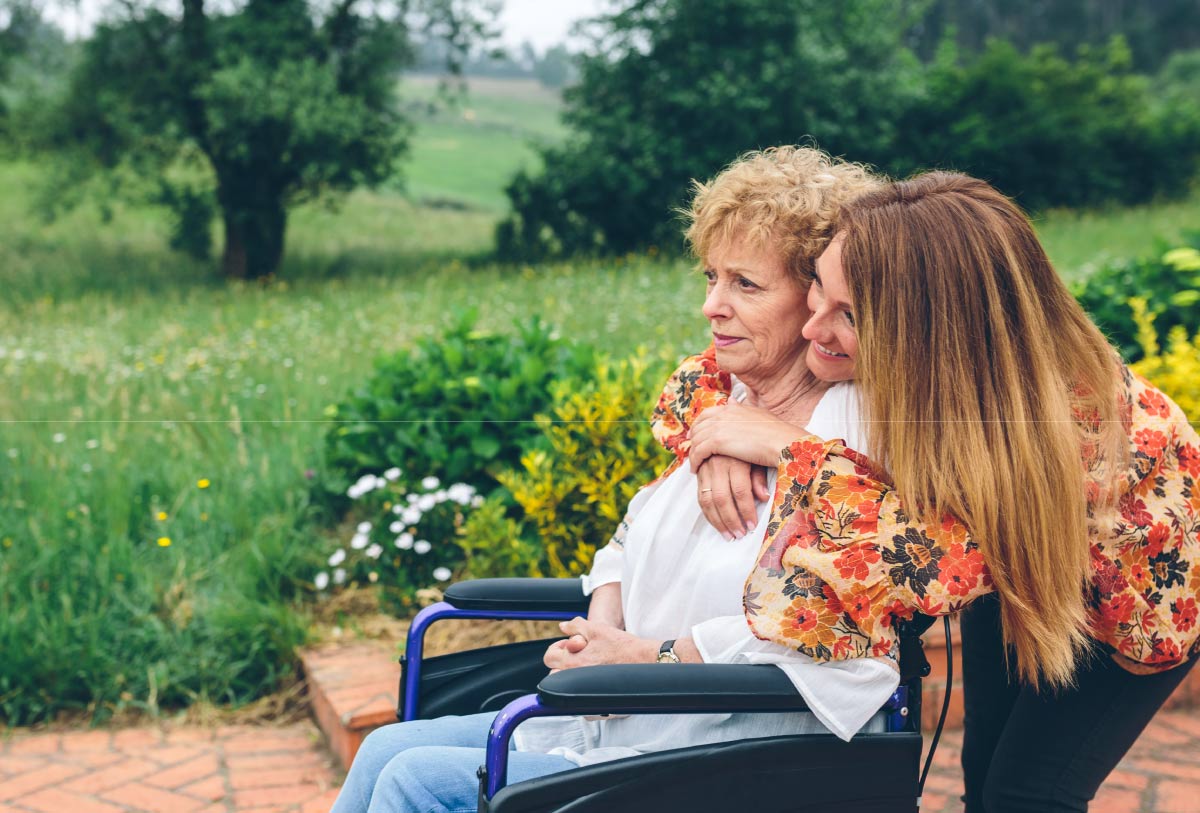
As we age, it’s common to become a little more forgetful. But when does “Where did I put my glasses?” shift from normal aging to something more concerning? When is it simply a distraction, and when could it be Alzheimer’s disease or another form of dementia?

Many enjoyable activities are completely free or low-cost and easy to start from the comfort of home. Here are 10 simple ideas to spark joy and keep the mind and body active, all while honoring your independence and interests.
Your donation helps provide essential home care, making it possible for local seniors to age with dignity and comfort.


